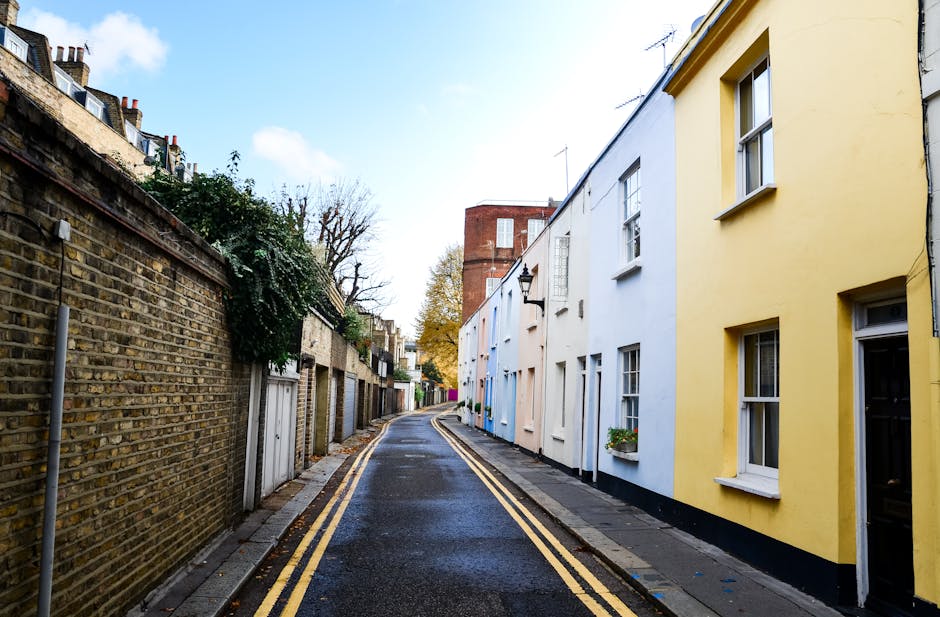
Richmond Hill house removals guide for narrow streets TW9

Moving house in Richmond Hill sounds straightforward until you meet the streets. TW9 has beautiful roads, old terraces, awkward bends, parked cars, and the sort of tight access that can turn a normal move into a small logistical puzzle. This Richmond Hill house removals guide for narrow streets TW9 is here to make that puzzle much easier to solve. Whether you are moving from a top-floor flat, a Victorian terrace, or a family home tucked onto a lane with barely enough room to pass a hatchback, the key is preparation. Proper planning saves time, protects your belongings, and helps everyone stay calm. And yes, calmer moves really do happen.
In this guide, you will find practical ways to handle access issues, choose the right vehicle, work around parking constraints, and avoid the little mistakes that cause the biggest headaches. You will also see where services like house removals, man and van, and packing and unpacking services can be a better fit than a larger, less flexible setup. Let's face it, narrow streets reward the movers who think ahead.
- Why Richmond Hill house removals guide for narrow streets TW9 matters
- How the moving process works in narrow streets
- Key benefits and practical advantages
- Who this is for and when it makes sense
- Step-by-step guidance
- Expert tips for better results
- Common mistakes to avoid
- Tools, resources and recommendations
- Law, compliance, standards and best practice
- Options, methods and comparison table
- Case study or real-world example
- Practical checklist
- Conclusion
- Frequently asked questions
Why Richmond Hill house removals guide for narrow streets TW9 Matters
Richmond Hill is one of those parts of southwest London where charm and complexity often arrive together. The streets can be narrow, parking can be limited, and access can change from one end of a road to the other. If you are moving in or out of TW9, the practical problem is not just lifting boxes. It is getting a vehicle close enough to the property, doing so legally, and keeping the whole move moving without blocking everyone else in the neighbourhood.
That matters because delays are not just annoying. They can lead to extra labour time, rushed handling of furniture, or a move that spills into the evening when everyone is tired and less careful. In our experience, the most stressful jobs are rarely the ones with the biggest houses. More often, it is the move that looked simple on paper but involved a van that could not reverse properly, a stairwell that was tighter than expected, and a front door opening straight onto the pavement. Tiny details, big impact.
There is also a neighbour factor. Narrow residential streets in Richmond Hill tend to be lived-in and busy, so the more smoothly you operate, the fewer problems you create for other residents. That includes keeping access clear, avoiding unnecessary double parking, and loading in a way that does not turn the road into an obstacle course.
Expert summary: In narrow-street moves, success is usually won before moving day. The winning move is not muscle alone; it is access planning, vehicle choice, and timing.
How Richmond Hill house removals guide for narrow streets TW9 Works
A move in a tight TW9 street works best when it is treated as an access-led job rather than a standard removals booking. That means the first questions are not "How many boxes?" but "Where can the vehicle stop?", "Can it turn safely?", and "How far is the carry from van to door?". Those answers shape the rest of the plan.
Usually, the process starts with a property assessment. This may be done from photos, a quick video call, or a site visit if the access looks especially tricky. The mover looks for low trees, width restrictions, parking constraints, steep kerbs, one-way systems, and whether there is space for a medium van or only a smaller vehicle. A quick thought here: the best vehicle is not always the biggest one. Often it is the one that can actually get where it needs to go.
Next comes packing and loading strategy. Narrow streets often mean shorter loading windows, so items should be ready early, labelled clearly, and grouped by room. If you are using man with van support or a small-team service, this makes the difference between an efficient run and constant back-and-forth. For larger moves, a more structured removal company can coordinate the lift, protect the property, and manage any awkward access points.
Finally, the actual move needs a rhythm. Load the heaviest and most awkward items first, secure them well, then keep the path clear for the slower, more delicate pieces. A good crew will adapt as they go; the street might look quiet at 8 a.m. and become much busier by 10 a.m., so timing matters more than many people expect.
Key Benefits and Practical Advantages
Planning properly for narrow streets in Richmond Hill is not just about avoiding problems. It actively improves the move in a few very practical ways.
- Less damage risk: Shorter carry distances usually mean fewer bumps, scrapes, and strained corners on furniture.
- Faster loading and unloading: When the vehicle is positioned well, the whole day tends to run more smoothly.
- Lower stress: If the plan is clear, you are not standing in the doorway wondering whether the van can fit. That alone is worth a lot.
- Better use of labour: A smaller, sharper team can be more effective than a larger team waiting around for access to open up.
- Fewer neighbour issues: A well-managed move is less likely to block pavements, driveways, or sight lines.
There is another advantage people often miss: flexibility. On a narrow road, a move that uses a removal van or moving van may actually be more efficient than a larger lorry, even if the larger vehicle looks more impressive. Practical beats impressive every time.
If your move includes storage-heavy rooms, loft items, or an awkward set of stairs, services such as house movers and house removalists can bring the right mix of lifting, routing, and pacing. That is particularly useful when the route from kerb to front door is not straightforward.
Who This Is For and When It Makes Sense
This guide is for anyone moving within or around TW9 where access may be limited. That could be a one-bedroom flat near Richmond Hill, a family home on a narrow road, or a smaller property with no easy front-of-house loading space. It also makes sense if you are moving on a weekday and cannot risk a slow, drawn-out process.
You will especially benefit from this approach if:
- your road is too tight for a large vehicle to park easily
- you need to minimise carry distance from property to van
- there is limited on-street waiting space
- you have bulky furniture that needs careful handling around corners
- you are concerned about blocking access for neighbours or passing traffic
- you want a move that feels controlled rather than chaotic
It is also a sensible fit for landlords, tenants, and homeowners who need a dependable process rather than a vague promise. If you are comparing providers, it can help to look at removal services alongside dedicated local options such as removals near me. The right choice usually depends on access, volume, and how much hands-on help you need.
Sometimes the move itself is not huge, but the surroundings make it feel huge. That is the real TW9 difference.
Step-by-Step Guidance
Here is a practical way to organise a Richmond Hill move when the streets are narrow and the margin for error is small.
- Assess access first. Check road width, parking, turning space, and whether a van can stop near the property without causing issues.
- Measure the bulky items. Sofas, wardrobes, beds, mirrors, and appliances are the usual troublemakers. Measure them properly, not roughly.
- Decide on the right vehicle size. Smaller can be smarter if turning space is tight.
- Book the move with access in mind. Tell the mover about staircases, kerbs, parking restrictions, and any time limitations.
- Pack room by room. Keep essentials separate and label boxes clearly. That saves a lot of hunting later.
- Prepare the property. Clear hallways, protect floors, and make sure doors can open fully.
- Plan the loading sequence. Heavy items first, fragile items protected, daily essentials easy to find.
- Keep one person focused on the front end. If someone can manage keys, access, and questions from neighbours, the crew can keep working.
- Do a final sweep. Check cupboards, loft spaces, outside storage, and behind doors. You would be surprised how often a charger or envelope gets left behind.
One useful habit: build a 15-minute buffer into the schedule. Not because the move will definitely run late, but because narrow streets often introduce little pauses you cannot predict. A parked car, a delivery, a tricky stair landing - small things, but they add up.
Expert Tips for Better Results
After enough local moves, a few patterns become obvious.
- Send photos early. A few clear pictures of the road, gate, driveway, hallway, and stairwell are often more useful than a long explanation.
- Choose quieter loading times where possible. Early starts can help with parking and reduce stress, though not every move allows that.
- Protect corners and thresholds. Tight access increases the chance of knocks in door frames and walls.
- Use proper dismantling for oversized items. A bed frame or wardrobe that has been broken down correctly is easier to move safely.
- Keep fragile items separate from general boxes. Mixed loading tends to create pressure points and accidental damage.
- Be honest about volume. People often underestimate how much space their belongings take up. Happens all the time.
If your move is more complex than it looks, it may be worth exploring man and van removals for a nimble setup, or a larger crew if furniture, stairs, and access all combine into a more demanding job. The right fit can save both time and money, which is always nice.
Another small but valuable tip: walk the route from front door to vehicle before anything heavy moves. That quick check can reveal an awkward lamp post, a low wall, or a pinched corner that looked harmless from the street. It is a five-minute habit that can prevent a forty-minute problem.
Common Mistakes to Avoid
Narrow-street removals tend to punish rushed decisions. The following mistakes show up again and again.
- Booking the wrong size vehicle. Too large and it may not fit; too small and the move becomes inefficient.
- Not checking parking in advance. A "we'll find somewhere" approach can lead to a long carry and wasted time.
- Leaving packing until the last minute. That creates avoidable pressure and makes loading slower.
- Forgetting about stair bends and landings. A wardrobe that fits in the room may still not make the turn.
- Ignoring neighbour access. Blocking a driveway or pavement can create tension quickly.
- Failing to protect the property. Narrow hallways and tight corners need extra care.
- Assuming every mover will know the road. Even local teams benefit from fresh details, especially if building works or new parking changes have altered access.
Truth be told, most moving problems are predictable if you slow down long enough to ask the right questions. The frustrating part is that people often only ask them after the van has arrived. By then, the day is already on the clock.
Tools, Resources and Recommendations
You do not need a mountain of specialist equipment, but a few practical tools make a narrow-street move much easier.
- Measuring tape: Useful for furniture, doors, stair gaps, and hallways.
- Furniture blankets and protective wraps: Essential for corners, polished surfaces, and fragile edges.
- Strong boxes and tape: Weak packaging leads to messy loading and damaged items.
- Labels or markers: Helps keep boxes sorted by room and priority.
- Phone photos and short videos: Perfect for sharing access details with your mover.
- Simple floor protection: Especially useful in narrow entrances where muddy shoes and repeated foot traffic can cause wear.
If you want help with the sorting side of things, packing and unpacking services can take a huge amount of strain out of the day. For those moving homes rather than offices, home moves may be a better fit than a broad generalist option, while movers can help when the job needs a flexible, hands-on approach.
And if you are clearing out bulky unwanted items as part of the move, a service such as furniture pick up can help keep the new place uncluttered from day one. Much easier than shifting it twice.
Law, Compliance, Standards, or Best Practice
For household moves in Richmond Hill, the practical rules mostly revolve around safe driving, safe lifting, and avoiding unnecessary disruption. While the exact setup varies by street and property, there are a few broad standards worth respecting.
First, parking and stopping should always be handled carefully and in line with local restrictions. If a road is narrow, it is sensible to plan for legal stopping points rather than assuming the vehicle can pause anywhere convenient. Second, any reputable mover should work with sensible manual handling practices to reduce the risk of injury and damage. That usually means team lifting where needed, using proper equipment, and not forcing heavy items through unsafe gaps.
Third, insurance matters. A good removals provider should be transparent about cover, what is included, and what the customer should do to prepare valuables. If you are comparing firms, it is worth reviewing their insurance and safety information as well as the health and safety policy. That is not just admin. It tells you how seriously the business takes risk.
It is also sensible to understand booking terms, payment expectations, and any cancellation or timing conditions in advance. You can usually do that by checking the terms and conditions and payment and security pages before confirming the move. Not glamorous, I know, but very useful.
For environmentally conscious moves, ask how waste or surplus items are handled. Some customers prefer a mover that aligns with recycling and sustainability practices, especially if the move involves decluttering or disposing of old furniture.
Options, Methods, or Comparison Table
Different move types suit different access situations. Here is a straightforward comparison to help you think it through.
| Option | Best for | Strengths | Watch-outs |
|---|---|---|---|
| Man and van | Smaller to medium moves, limited access, flexible timing | Easy to position, efficient on narrow streets, usually less complex | May need multiple trips if volume is high |
| House removals | Full home moves with furniture, boxes, and coordinated loading | More structured, better for busy days and larger inventories | Needs clear access planning to avoid delays |
| Removal van | Local moves where access is tight and a smaller vehicle is practical | Often easier to park and manoeuvre | Space may be limited if the load is large |
| Moving truck | Larger loads with easier road access | Can reduce trip count | May be a poor fit for very narrow streets |
If you are unsure which option suits your street, start by thinking about access first, then volume, then timing. That order is usually more useful than price alone. A cheaper option that cannot physically get near the door is not really cheaper, is it?
For some customers, especially those who want a balanced approach, man with a van is the sweet spot. For others, the best answer is a more complete removal company with the right equipment and planning support. There is no single winner. Just the right fit.
Case Study or Real-World Example
Imagine a two-bedroom terrace in Richmond Hill with a narrow one-way street outside, parking already half-taken by residents, and a sofa that has to pass through a tight front hallway before reaching the van. The homeowners have packed most of the boxes, but the larger furniture still needs careful handling. Nothing dramatic. Just a very normal TW9 move with a few awkward edges.
The sensible approach would be to choose a compact vehicle that can stop close to the property, arrive early enough to avoid the busiest traffic window, and assign the team to load the largest items first while the hallway is still clear. The sofa is measured before move day. The bed is dismantled. Boxes are grouped by room. Protective covers are laid down at the front door. Simple things, really.
What tends to happen next is boring in the best way possible: fewer pauses, fewer surprises, and less frantic reshuffling of items on the pavement. One client-style moment that comes up often is the front-door shuffle where everyone says, "That looked bigger in the room." It usually does. And then the team works around it.
This kind of move is why access-focused planning matters so much. The street itself may be small, but the difference between an orderly process and a stressful one can be huge.
Practical Checklist
Use this checklist before moving day. It is simple, but it catches a lot.
- Measure large furniture and note any awkward pieces
- Check whether the street allows practical loading close to the property
- Confirm the best arrival time for access and traffic
- Tell the mover about stairs, turns, low ceilings, and narrow hallways
- Pack fragile items separately and label them clearly
- Protect floors, corners, and door frames
- Set aside essentials for the first night
- Keep keys, documents, and phone chargers in one easy-to-reach bag
- Make sure boxes are sealed properly and not overfilled
- Walk through the property once more before the vehicle leaves
Quick takeaway: If the road is narrow, the move should be designed around access first and furniture second. That simple shift in thinking saves time, reduces stress, and keeps the day under control.
Conclusion
Richmond Hill house removals do not need to be stressful just because the streets are narrow. They do need a better plan. Once you think about parking, vehicle size, access routes, and loading order, the move becomes much more manageable. Add clear packing, sensible timing, and a team that understands TW9 access issues, and the whole experience gets easier - noticeably easier.
If you are weighing up your options, focus on the provider that understands the reality of local streets rather than the one that sounds the loudest. A calm, well-organised move is worth far more than a flashy promise. And on a tight Richmond Hill road, calm is a kind of superpower.
Get a free quote today and see how much you can save.
With the right preparation, even the narrowest street can feel a lot less daunting. One careful step at a time, and you are through it.
Frequently Asked Questions
What is the biggest challenge with Richmond Hill house removals in TW9?
The biggest challenge is usually access. Narrow roads, limited parking, and tight turning space can make it hard to get the vehicle close to the property without causing delays or inconvenience.
Should I choose a smaller van for a narrow street move?
Often yes, but it depends on the volume of your belongings. A smaller or medium-sized van can be easier to manoeuvre and park, which may save time overall if the street is tight.
How early should I book a move in Richmond Hill?
As early as possible, especially if you are moving at a busy time of year or need a specific time slot. Narrow streets leave less room for last-minute changes, so early planning helps a lot.
Do I need to dismantle furniture before the move?
Not always, but it is often helpful for beds, wardrobes, and large tables. Dismantling can make awkward items easier to carry through narrow hallways and around sharp corners.
How can I reduce the risk of damage during a narrow-street removal?
Protect corners, wrap fragile surfaces, label boxes clearly, and make sure the route from door to van is clear. A careful loading sequence also helps reduce knocks and scrapes.
Is a man and van service enough for a full house move?
Sometimes, yes, especially for smaller homes or local moves with lighter loads. For larger properties or more complex access, a fuller removals setup may be more practical.
What should I tell my mover before moving day?
Share details about parking, road width, staircases, low ceilings, difficult turns, and any heavy or unusually shaped items. Photos are often very helpful too.
Can narrow streets affect the cost of a house removal?
They can, because access issues may increase labour time or require a different vehicle choice. That said, the cheapest quote is not always the best value if the access plan is weak.
What if the van cannot stop directly outside my home?
Then the mover may need to park a short distance away and carry items further. That is manageable, but it should be planned in advance so it does not slow the whole day down.
Are packing and unpacking services worth it for a narrow-street move?
They can be, especially if you want to reduce stress and speed up loading. Good packing makes a move easier, safer, and usually more organised from the start.
How do I know which removals option is right for me?
Start with access. If the street is very tight, a flexible service such as man and van or removal van may work well. If you have a larger home or more furniture, house removals may be the better choice.
What is one thing people forget most often?
They often forget to plan the final walk-through of the property. That last check catches chargers, paperwork, tools, keys, and small essentials that are easy to leave behind in the rush.